

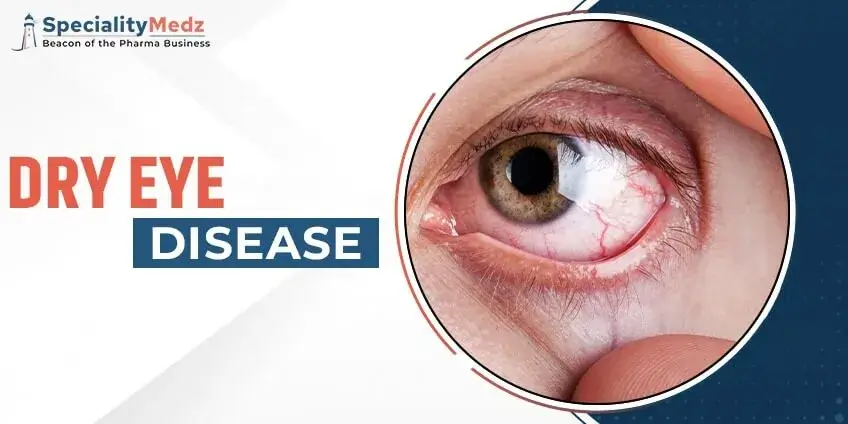
Brief Overview of Dry Eye Disease
Dry eye disease is a common eye condition that often goes unnoticed among most individuals. It affects millions of people worldwide. The eyes feel dry due to insufficient production of natural tears or when tears dry up too quickly, further leading to inadequate lubrication of the eye surface. Most people find it a minor irritation and don’t consider treatment unless it starts affecting vision, comfort, productivity, and overall quality of life.
This blog will take you through everything you should know about dry eye disease, causes, symptoms, types, and treatment options.
What is Dry eye disease?
Dry eye disease is a chronic eye disorder characterised by insufficient tear production, excessive tear evaporation, or unstable tear composition. If you have noticed, this condition is associated with eye tears. They are naturally produced fluids, vital for maintaining healthy vision and protecting the front eye surface. It can affect individuals across all ages and develops gradually.
How Tears Protect the Eyes?
Eye tears are the built-in eye protectants. They keep the eyes moist with a tear film comprising three layers. The first (outer) layer is oily, which helps in reducing evaporation. The second one is watery, responsible for supplying oxygen and moisture, while the third one helps in spreading eye tears evenly. Together, this natural eye tear setup helps in these activities.
- Lubricates the eyes with blinking
- Maintains a clear and stable vision
- Safeguard against infections
- Wash away dirt, dust, and microorganisms
- Deliver oxygen and nutrients to the cornea
What Causes Dry Eye Disease?
The common causes of dry eye disease are featured next.
- Aging
- Previous eye surgery
- Autoimmune diseases
- Hormonal changes
- Prolonged screen time regularly
- Side effect of some medicines
| NOTE: Several factors can contribute to dry eye disease instead of one. A comprehensive evaluation by an ophthalmologist is necessary for determining the responsible cause and an appropriate treatment plan.
Types of Dry Eye Disease
Dry eye disease can be broadly categorised into three types.
- Aqueous Deficient Dry Eye – when the lacrimal glands fail to produce natural eye tears.
- Evaporative Dry Eye – when the eye tears evaporate quickly, and the tear film becomes unstable.
- Mixed Dry Eye Disease – patients undergo a combination of reduced tear production and excessive evaporation simultaneously.
Common Symptoms of Dry Eye Disease
The most common Dry eye disease symptoms are shared below.
- Eye fatigue
- Redness
- Dryness
- Burning/stinging sensation
- Excessive tearing
- Increased sensitivity to light
- Sandy or gritty feeling
- Stingy mucus production around the eyes
These symptoms seem to worsen more after prolonged reading, screen exposure, driving, or spending hours in a dry/windy environment.
Who Is Most at Risk for Dry Eye Disease?
While dry eye disease can occur at any age, the following user groups are at high risk.
- Elderly people (commonly 50+ years old)
- Post-menopausal women
- People wearing contact lenses
- Individuals diagnosed with autoimmune conditions
- Those having long hours of screen time daily
- Patients recovering from cataract or refractive surgery
How Does Screen Time Contribute to Dry Eye?
Digital devices have become an inevitable part of our lives and silent contributing factors to dry eyes. People tend to blink less when constantly staring at the screens, be it smartphones, laptops, or TVs Reduced blinking leads to quick tear evaporation and destabilises the tear films. It further causes blurred vision, increased eye strain, headaches, and ocular fatigue. This has become an everyday concern for office workers, students, professionals, and gamers who are glued to screens for most of their day.
Medical Conditions Linked to Dry Eye Disease
Some systemic diseases are linked to Chronic dry eye disease. The major responsible ones are listed below.
- Diabetes
- Lupus
- Rosacea
- Thyroid disorder
- Parkinson’s disease
- Vitamin A deficiency
Many patients find improvements in the natural eye fluid’s production by managing these medical conditions. It is, however, important to inform the ophthalmologist regarding any such pre-existing conditions when being prescribed dry eye medicines.
Medications That May Cause Dry Eyes
At times, dryness in the eyes can be temporary and caused by factors other than usual. The following medications are suspected of causing dry eyes, and the natural eye fluids normalise after discontinuing treatment.
- Antihistamines & Decongestants
- Blood Pressure Medications
- Antidepressants & Anxiety Medicines
- Acne Medications
- Hormonal Medications
- Other medications like sleeping pills, anticholinergics, chemotherapy drugs, or Parkinson’s disease medicines
When to See an Eye Specialist?
Most individuals are unaware of when to seek medical help if they are frequently experiencing dry eyes. It is possible to feel dryness in your eyes occasionally, but if the natural tears dry out too quickly or causes itching/irritations/burning all the time, then don’t ignore. If you notice persistent dry eyes despite applying lubricating eye drops, the symptoms become increasingly painful, have started interfering with routine activities, or are affecting vision, then see your doctor right away.
Medical attention is required immediately if dry eye symptoms are followed by severe pain, eye injury, redness, inflammation, sudden vision changes, or infectious discharge.
| WARNING! Do not start any eye care medicines without consulting the ophthalmologist. Self-medication can be risky for your eyesight.
Common Prescription Medications for Dry Eye Disease
Several Dry eye disease treatment options are available in the market. Find your relevant one after medical consultation only. The popular dry eye care medications are listed below.
FAQs
What are the first signs of dry eye disease?
The early signs of dry eye disease include minor irritations, redness, burning, eye fatigue, a gritty sensation, and blurred vision (occasional), usually improving after blinking.
Can dry eye disease affect vision permanently?
Yes, if left untreated. Ocular damage or long-term eye complications can be prevented if dry eye disease is detected early and treated properly.
How can I prevent dry eye disease naturally?
Maintaining good hydration, regular blinking, using humidifiers, protecting eyes from prolonged screen exposure, wind, and staying hydrated can support healthy tear production. This further helps in preventing dry eye disease naturally.
Are dry eyes related to ageing?
Yes. Tear production gradually decreases with age, and so you see elderly people having more vision problems than younger ones.
What should I avoid if I have dry eye disease?
Avoid prolonged (break-free) screen exposure, limit smoking, long hours of wearing contact lenses, and staying in dry environments to ensure eye comfort. Don’t self-medicate with any eye drops either.
What is a risk factor for dry eye disease?
The most well-known risk factors for dry eye disease include ageing, autoimmune diseases, female sex, overuse of screen time, side effects of certain medicines, extended hours of wearing contact lenses, and past eye surgery.
Does dry eye cause blurry vision?
Yes, dry eye may cause an unstable tear film, which seems like temporary blurry vision. It clears after blinking, but if it’s persistent, then see your doctor soon.
Conclusion
Dry eye disease is more common than you think. It is often an underestimated eye condition affecting millions of people without even realising it needs attention. Understanding the early signs leads to timely medical help and personalised treatment. While eye care medicines help in protecting the ocular surface, improving comfort, and maintaining healthy vision, lifestyle changes are inevitable for long-term management.
Healthcare providers and pharmaceutical distributors often show willingness to partner with a trusted manufacturer and supplier like Specialitymedz.com.
Comments (0)
Leave A Comment