


“How do you know if you have diabetic neuropathy?” is a common question among diabetic individuals. It is a widely prevalent concern and the most frequent complication in patients with high blood sugar levels. This condition occurs when blood glucose spikes start affecting the nerves throughout the body. The shocking part is that it doesn’t happen overnight but develops gradually without making the early signs noticeable.
If you’re diagnosed as pre-diabetic or have uncontrolled blood glucose, it is crucial to recognise the signs and symptoms of diabetic neuropathy. It’ll help protect nerve health, slow the progression of disease, restore comfort, and enhance overall quality of life.
What is Diabetic Neuropathy?
Before we proceed to “How do you know if you have diabetic neuropathy?” let’s see what diabetic neuropathy means.
It indicates a collective of nerve disorders triggered by uncontrolled blood sugar levels. Persistently high blood sugar levels are known to cause neuropathic damage over time. The nerves become damaged, leading to symptoms affecting digestion, movement, blood circulation, sensation, and other bodily functions.
FACT: It can affect both Type-1 and Type-2 diabetic individuals. However, it relates more to long-term diabetes management challenges.
Main Types of Diabetic Neuropathy
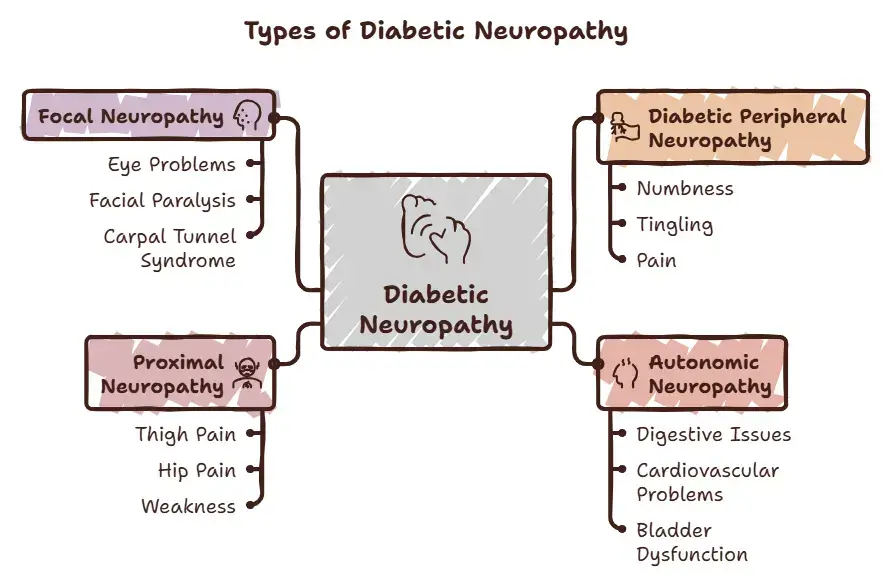
The following types of diabetic neuropathy are detected across the UK, USA, Australia, & Canada.
- Diabetic Peripheral Neuropathy
- Autonomic Neuropathy
- Proximal Neuropathy
- Focal Neuropathy
What Causes Diabetic Neuropathy?
The most common causes of diabetic neuropathy are as follows:
- High Blood Sugar and Nerve Damage
Persistently increased blood sugar levels can damage nerve fibres and hinder their ability to transmit signals properly. If this continues, the protective coverings around the nerves weaken and become vulnerable to injuries due to high blood glucose.
- Poor Blood Circulation
Diabetes is known for damaging blood vessels and lowering the blood supply to the nerves. Due to insufficient oxygen and nutrients, nerves weaken, and their functions are affected. This becomes potentially problematic for the hands and feet.
- Inflammation and Nerve Injury
Chronic inflammation linked to diabetes can contribute to nerve damage. The inflammatory processes start affecting nerves and surrounding tissues, further increasing the risk of neuropathic reactions.
- Lifestyle and Genetic Risk Factors
Certain lifestyle and genetic factors can also increase the risk of diabetic neuropathy, such as:
- Obesity
- Smoking
- Physical inactivity
- Family history of nerve disorders
- Excessive alcohol intake
- Poor diabetes management
At times, addressing these concerns can also help in slowing down neuropathy progression.
Early Warning Signs of Diabetic Neuropathy
Type 2 diabetes and neuropathy are closely linked. If you’ve ever wondered, “How do you know if you have diabetic neuropathy?” These early signs confirm it:

- Mild numbness
- Burning sensations
- Tingling in the hands/feet
- Loss of balance
- Muscular weakness
- Sharp or shooting pain
- Increased touch sensitivity
NOTE: During the initial stage, these symptoms appear and dismiss easily. They start getting noticed when they become persistent. Many individuals notice symptoms at night, which may cause sleep disturbances and affect overall well-being.
Symptoms That Usually Begin in the Feet and Legs
Diabetic foot pain is a frequent complaint, but it isn’t the only one. The following symptoms prevail among individuals with diabetic neuropathy:
- Loss of balance
- Muscle weakness
- Pins and needles
- Numbness in toes
- Reduced sensitivity towards pain
- Burning in the feet
Seek medical help right away if you notice any of these symptoms persist for a few weeks or worsen.
When Should You See a Doctor?
It is still not possible to determine whether you are diabetic or not after exploring “How do you know if you have diabetic neuropathy?” symptoms. You have only witnessed early signs and symptoms, but medical consultation is important for starting treatment with the perfect medication.
Visit your healthcare provider if you are experiencing:
- Persistent numbness
- Difficulties in walking
- Imbalance
- Slow-healing foot wounds
- Ongoing tingling sensations
- Burning/stabbing pain
- Unexplained muscle weakness
- Changes in bladder or digestive functions
As you disclose the symptoms experienced, the physician shall conduct a physical examination, blood tests, or specific medical studies (like neurological assessment, reflex evaluation, or nerve conduction studies) to make appropriate decisions.
WARNING: Don’t start treatment with any random medications without medical consultation, else it can cause unknown risks.
Treatment Options for Diabetic Neuropathy
You’ll find many diabetic neuropathy treatment options popular across the UK, USA, Australia & Canada. Most individuals assume treatment is medicines only, but it is a combination approach involving lifestyle changes and physical therapy too. Let’s check them all.
Medications for Nerve Pain Relief
These medicines are mainly indicated for reducing nerve-related pain and discomfort. The following remain top choices among numerous medicines available in the same category.
a. Gabapentin: It is a neuropathic pain reliever that works by affecting nerve signaling pathways. It may help in reducing the intensity of underlying symptoms like tingling, burning, or shooting pain.
b. Pregabalin: Like gabapentin, pregabalin is also a frequently advised diabetic neuropathy pain reliever. It is used to restore comfort, sleep quality, and routine life activities in some patients.
c. Duloxetine: This Selective Norepinephrine Reuptake Inhibitor (SNRI) is mainly suggested for managing diabetic nerve pain and alleviating chronic symptoms.
Lifestyle Modifications
Making necessary lifestyle adjustments helps in managing diabetic neuropathy effectively. Individuals are mostly advised to work out on:
- Eating balanced meals
- Regular exercise for at least 30 – 45 minutes
- Limiting alcohol
- Quitting smoking
- Maintaining healthy blood sugar levels
- Managing co-existing medical conditions (like cholesterol & blood pressure)
Physical Therapy
Physical therapies support mobility, strength, coordination, and balance. It is best to practise light stretching exercises daily, go out for a walk, focus on strengthening and balance training, and learn fall-preventing techniques (particularly among elderly patients).
FAQs
What are the first signs of diabetic neuropathy?
The initial signs of diabetic neuropathy include tingling, numbness, burning/inflammation, and pain in the feet/toes. Some individuals may develop sensitivity to touch or temperature changes.
Can prediabetes cause neuropathy symptoms?
Yes, some prediabetic individuals may experience diabetic nerve pain symptoms, particularly when a blood glucose spike lasts for an extended duration.
What foods help reduce diabetic neuropathy symptoms?
It is possible to maintain ideal blood sugar levels through a balanced diet. Eating more nutrient-dense foods, fruits, vegetables, whole grains, lean proteins, and healthy fats will aid nerve health.
Is diabetic neuropathy life-threatening?
This medical health issue isn’t life-threatening alone, but the complications that follow. For instance, foot ulcers, infections, falls, cardiovascular issues, etc.
Can controlling blood sugar stop neuropathy progression?
Taking proactive steps to manage blood sugar levels significantly helps in reducing the risk of further nerve damage. It can help in slowing down disease progression & supporting better glycemic control.
Conclusion
The answer to “How do you know if you have diabetic neuropathy?” is now clear. Identifying the early signs like numbness, tingling sensations, burning, or foot pain helps you explore reliable treatment options sooner. Besides using medications, it is important to focus on maintaining ideal blood sugar levels through essential lifestyle changes. This further reduces the risk of complications and improves treatment outcomes in the long run.
While diabetic neuropathy is a common concern across the UK, USA, Australia, & Canada, patients and healthcare providers are looking for high-quality medications. Whether you are a pharmaceutical business, medical care provider, or diabetic patient seeking 100% guaranteed-quality stash, Specialitymedz.com can help. Check out the products now & drop bulk order inquiries directly from the manufacturers up to 1 million units/month at the best-priced deals.
Comments (0)
Leave A Comment